MoneyDinero
PMI Explained: What It Costs, How to Avoid It and How to Remove ItPMI Explicado: Cuánto Cuesta, Cómo Evitarlo y Cómo Quitarlo
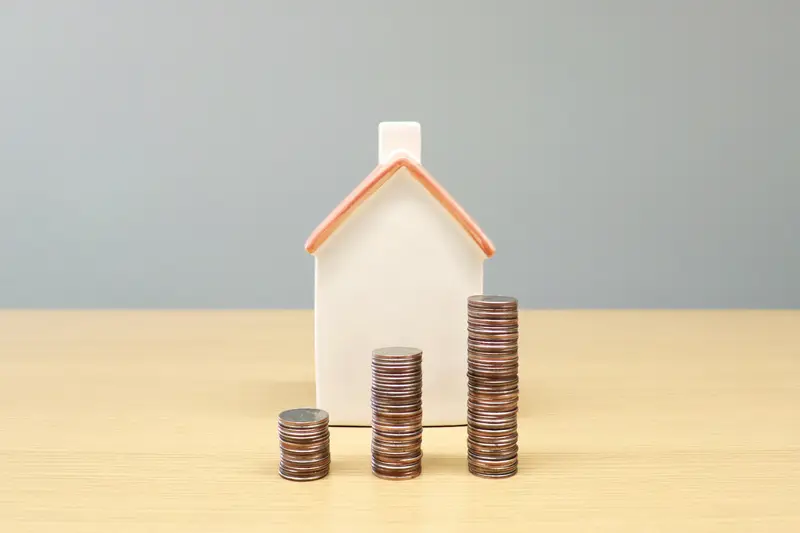
Private mortgage insurance (PMI) is required on most conventional loans when the down payment is less than 20%. It protects the lender, not you, if the loan defaults. What you get in return is the ability to buy years sooner than if you waited to save 20%.
What it costs
PMI is priced by risk. The main factors are your credit score, your down payment and the loan term. A buyer with excellent credit and 10% down may pay a small fraction of what a buyer with fair credit and 3% down pays for the same house. It is usually added to the monthly payment, though it can also be paid upfront in a single premium.
Five ways to avoid it
- Put 20% down. Simple, but not always realistic.
- Use a VA loan if you are eligible. VA loans have no monthly mortgage insurance.
- 80-10-10 financing. A first mortgage for 80% of the price, a second mortgage for 10% and 10% down. Because the first loan is at 80%, no PMI applies. The second loan has a higher rate, so compare the combined payment with a single loan plus PMI.
- Lender-paid mortgage insurance. The lender covers the insurance in exchange for a higher interest rate. There is nothing to cancel later, so this suits shorter stays.
- Gift funds. Family help can bring your down payment to 20%.
How to remove it
- By request at 20% equity. When your balance reaches 80% of the home's original value you can ask your servicer in writing to cancel PMI. A good payment history is required.
- Automatically at 22% equity. Servicers must end PMI when the balance is scheduled to reach 78% of the original value.
- With a new appraisal. If your home has gained value or you have improved it, many servicers will consider the current value after a waiting period.
- By refinancing once you have 20% equity at today's value.
PMI is not FHA insurance
FHA loans carry their own mortgage insurance premium (MIP), with an upfront charge and a monthly charge that usually lasts for the life of the loan. The typical way out is refinancing into a conventional loan.
Is PMI bad?
It is a cost, and like any cost it should be compared with the alternative. If paying PMI for a few years lets you stop renting and start building equity, it can be money well spent. Ask for the numbers both ways.
El seguro hipotecario privado (PMI) se exige en la mayoría de los préstamos convencionales cuando el enganche es menor a 20%. Protege al prestamista, no a ti, si el préstamo cae en incumplimiento. Lo que recibes a cambio es poder comprar años antes que si esperaras a ahorrar 20%.
Cuánto cuesta
El PMI se cotiza según el riesgo. Los factores principales son tu puntaje de crédito, tu enganche y el plazo. Un comprador con crédito excelente y 10% de enganche puede pagar una pequeña fracción de lo que paga uno con crédito regular y 3% por la misma casa. Normalmente se suma al pago mensual, aunque también puede pagarse por adelantado en una sola prima.
Cinco formas de evitarlo
- Dar 20% de enganche. Sencillo, pero no siempre realista.
- Usar un préstamo VA si eres elegible. Los préstamos VA no tienen seguro hipotecario mensual.
- Financiamiento 80-10-10. Una primera hipoteca por 80% del precio, una segunda por 10% y 10% de enganche. Como el primer préstamo está en 80%, no aplica PMI. La segunda hipoteca tiene una tasa más alta, así que compara el pago combinado contra un solo préstamo con PMI.
- Seguro hipotecario pagado por el prestamista. El prestamista cubre el seguro a cambio de una tasa de interés más alta. No hay nada que cancelar después, así que conviene para estancias cortas.
- Fondos regalados. La ayuda familiar puede llevar tu enganche a 20%.
Cómo quitarlo
- A petición con 20% de plusvalía. Cuando tu saldo llega a 80% del valor original de la casa puedes pedir por escrito a tu administrador que cancele el PMI. Se requiere buen historial de pagos.
- Automáticamente con 22% de plusvalía. Los administradores deben terminar el PMI cuando el saldo está programado para llegar a 78% del valor original.
- Con un avalúo nuevo. Si tu casa ganó valor o la mejoraste, muchos administradores consideran el valor actual después de un periodo de espera.
- Refinanciando cuando tengas 20% de plusvalía al valor de hoy.
El PMI no es el seguro FHA
Los préstamos FHA tienen su propia prima de seguro hipotecario (MIP), con un cargo inicial y uno mensual que normalmente dura toda la vida del préstamo. La salida habitual es refinanciar a un préstamo convencional.
¿El PMI es malo?
Es un costo, y como todo costo debe compararse con la alternativa. Si pagar PMI unos años te permite dejar de rentar y empezar a construir plusvalía, puede ser dinero bien gastado. Pide los números de las dos formas.
This article is general education, not financial, legal or tax advice. Loan guidelines change; ask for figures that apply to your situation.Este artículo es educación general, no asesoría financiera, legal ni fiscal. Los lineamientos cambian; pide cifras que apliquen a tu situación.